I’d have to say that my fondness for fieldwork is inversely proportional to my aversion for, say…
NASCAR. I don’t get, probably will never get, the appeal of watching, either on TV or in the grandstands, the vehicular equivalent of Big Petroleum or Big Tobacco ads whip around in circles for what seems like days on end all to bestow still another corporate-footed multi-million dollar check to individuals (mostly over-testosteroned men) stuck in some perpetual midlife crisis. Okay, perhaps that’s harsh. But I really detest NASCAR. Which is to say, by comparison, I really love fieldwork.
The same sort of slack-jawed, numb incredulity I feel welling up when I enter a bar to witness patrons affixed to a TV tuned to stock car racing (believe it or not NASCAR is the second most popular professional sport in terms of television ratings inside the U.S., ranking behind only the National Football League) has often been redirected back at me when I begin regaling non-fieldwork oriented types with bewildering accounts of why I can’t wait to get back to malaria-infested, internet deprived, 100% humidity drenched, ant-ridden-bed laden Papua New Guinea. I’m not going to try to explain it. It’s a NASCAR sorta thing.
With one Program Manager in Mexico and another in PNG this week, I've been thinking a lot about the field. I don't think my family quite got the concept of fieldwork. I recall once explaining to Grandma (on Dad's side) that I wasn't literally working in a field. I'm still convinced she pictured me standing in some corn field. I’ve used this space on previous travels to go on at length about the amazing sights, sounds, and smells of the field, but I’d be remiss in not pointing out the reason why our site-based work, well… works. And that’s truly because of our dedicated Field Representatives. Field Reps are CORAL’s eyes and ears, hands, brains, and muscle for advancing our conservation objectives. And best of all, as local residents, they represent a commitment to the belief that local conservation problems require local solutions and community support. So, meet the field staff:

Kenneth Johnson Diaz (to the left of Caribbean Program Manager and
String Cheese Incident fan Rich Wilson in the photo) is CORAL’s Field Rep for Mexico and has been absolutely indispensable to our conservation success along the Mesoamerican Barrier Reef. Kenneth also introduced me to the wonder that is
queso fundido. A marine biologist, Kenneth and his family live in Cancun (centro) and he is owner and general manager of
EcoColors, an Ecotourism adventure company in the state of Quintana Roo, Mexico. EcoColors runs eco-educational biking, kayaking, snorkeling, trekking, bird watching and archaeological tours showcasing the wonders of the Mayan world. If you want the ultimate ecotourism experience throughout the Riviera Maya, land or sea, then give Kenneth a call.

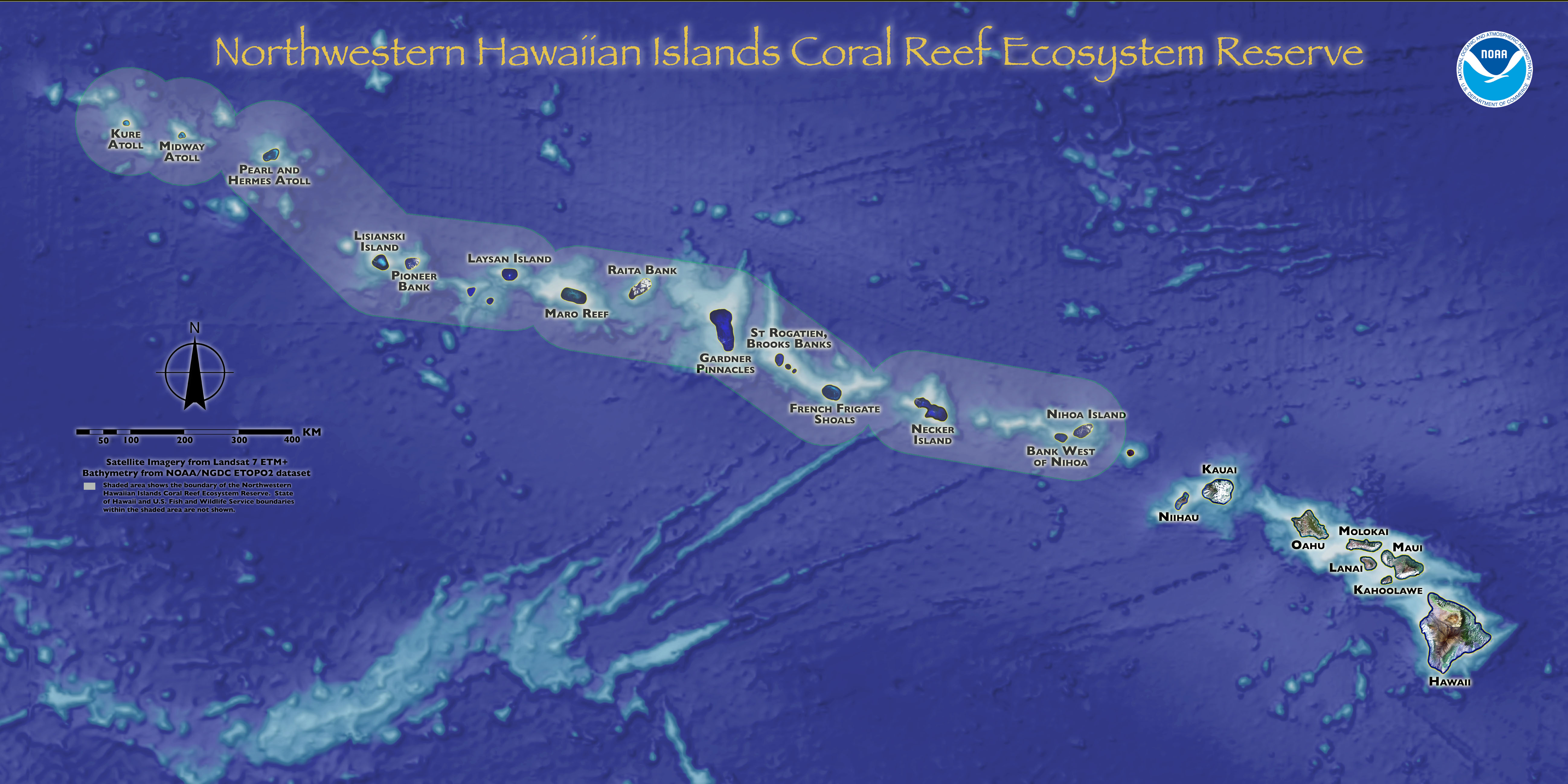
Shifting to the Pacific, the island of Maui is home to Liz Foote, our Hawaii Field Manager (that’s Liz representing CORAL at Earth Day 2006 in Kona.) Liz is a one-woman dynamo. In addition to driving our Maui project forward, she’s also Executive Director of
Project S.E.A.Link, a Hawaii-based non-profit dedicated to promoting marine science, education, and awareness by providing a link between students, teachers, scientists, the local community, the general public, other nonprofits, and governmental agencies. If you ever visit
Honolua Bay on Maui for a day of snorkeling and are greeted by a smiling volunteer who provides free environmental awareness briefings, then you are witnessing Liz’ efforts in action. I absolutely love Liz and her boundless energy and commitment to conservation. And thanks, Liz, for introducing me to
Spam Musubi.

In Fiji, I’m lucky enough to have two Field Reps. Sirilo “Didi” Dulunaqio and Johnny Singh. Didi (aboard the boat in photo) is from the village of Nadivakarua in the Kubulau District, Fiji. He has played an integral role in helping CORAL and our partners set up the Namena Marine Protected Area, in particular by working closely with District Chiefs and communities. CORAL and Didi have a long history together. In 2001, CORAL funded Didi to visit the
Bonaire Marine Park in the Dutch Caribbean to learn about marine protected areas and sustainable financing. Didi is our direct link to the local Fijiian communities who are benefiting from reef conservation and I am very lucky to have him on the Program Team.

Johnny Singh (bottom right in a picture from a CORAL sponsored student conservation project on Taveuni, Fiji) is the marine biologist for the
Jean-Michel Cousteau Resort and is primarily involved in managing the Namena tourism fee (dive tag) accounts, and providing logistical support for SF-based staff during site visits. While the Cousteau Resort is a good distance beyond this non-profit employees expense account, I have to admit that it’s a paradise of luxury. Johnny has a great gig there. If you visit be sure to catch his reef critter presentation in the evenings.

In other parts of Melanesia, readers of this blog have all heard of my travels with PNG Field Rep Cam Hollows (known affectionately to the CORAL staff as our Jack Black look-alike.) Cam is nearing the end of his tenure with CORAL and the plucky volunteer (and significant other Jane) will be returning to
Australia in April. PNG is no easy place in which to conduct fieldwork, and I admire Cam’s interest and wherewithal to give it his best. I hope I get the chance to spend time with Cam and Jane again, either in the field, or preferably a somewhat more comfy settling like a Sydney pub. And Cam, I’m dying to discuss Dawkins’
The God Delusion with you!

Finally, in Indonesia, CORAL is fortunate to have secured the services of Helen Newman who is our Raja Ampat Field Rep. Helen has perhaps the sweetest gig possible with residences in both Bali and Singapore. Again, a woman of seemingly boundless energy and commitment to conservation, she has almost single handedly installed the majority of boat moorings around Bali and throughout the
Komodo National Park. While in Bali, Helen introduced me to the amazing Balinese countryside, Balinese Bintang beer, and some of the hottest curries to ever singe my palate (resulting in more Bintang quaffing.) Can’t wait for my back to recover enough to work with Helen again. Let’s find some of those walking sharks in Raja Ampat, Helen.

 The blog has suffered a long stretch of silence recently, but things have been crazy busy here at CORAL central. I mean things are always busy, but the past two weeks have seen a pronounced uptick. We have two major grant proposals to the tune of half a million total dollars that are about to head out the door while still waiting to hear on another pending proposal that would allow us to expand our conservation work in Hawaii to the Big Island. All good stuff to be sure, but it's also a lot of focused, structured writing that has drained my more creative writing well.
 But fear not, I've surfaced long enough to post some news of the sad yet weird. Seems as if an American kitsch icon in Florida, Weeki Watchee Springs, may have to close its doors for good. Since 1947, Weeki Wachee has been entertaining Floridians and visitors world-wide with live mermaid performances–yes,real mermaids! I have photos to prove it! Just an hour drive north from Tampa, I recall many a fond visit to Weeki Watchee during a year spent in South Florida. Sporting dazzlingly sequined tails, bikini tops, subtle nose clips and a hookah like air tube, generations of Miss Florida-wannabees have smiled and waved to tourists while swimming about the springs.